
Understanding Oily Skin

Your Skin’s Oil Factory
Overactive Sebaceous Glands
Your skin naturally produces oil to keep it hydrated, but when sebaceous glands go into overdrive, excess oil builds up—especially in the T-zone (forehead, nose, and chin). This can make your skin feel greasy and contribute to clogged pores.

Your Hormones Control Oil Production
Hormonal Fluctuations & Oily Skin
Hormone changes—during puberty, pregnancy, menstrual cycles, or stress—can cause oil production to spike. Testosterone, in particular, stimulates sebaceous glands, leading to increased oil and breakouts.
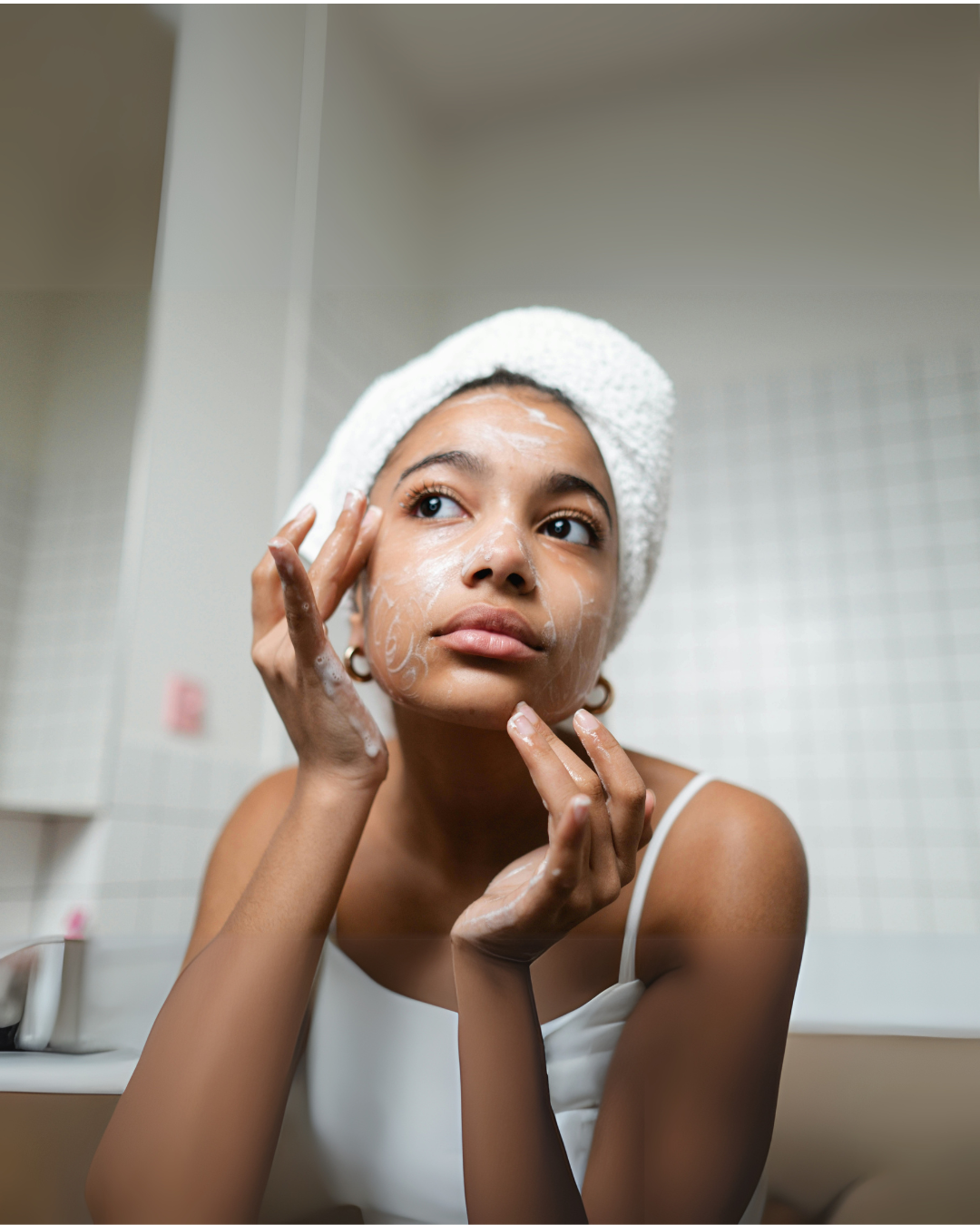
Your Skincare May Be Making It Worse
Overwashing & Using Harsh Products
Think scrubbing your skin aggressively will fix oiliness? Think again. Overwashing or using alcohol-based products stripsyour skin, causing it to overcompensate by producing even more oil. Stick to gentle, pH-balanced cleansers to maintain balance.

Climate Plays a Big Role
How Environment Affects Your Skin
Hot, humid weather increases oil production as your skin works to cool itself. Meanwhile, dry, cold climates dehydrateyour skin, triggering more oil production as a response. The key? Use lightweight hydration year-round!

What You Eat Impacts Your Skin
Food & Oily Skin Connection
Diets high in dairy, sugar, and processed foods increase oil production and breakouts. Try reducing dairy and refined carbs while incorporating more **zinc-rich foods (like nuts) and antioxidants (like green tea).

Balance, Don’t Strip Your Skin!
Dehydration tricks your skin into producing more oil. Focus on hydrating, oil-free products instead.
Common Signs of Oily Skin
Oily skin produces excess sebum, which makes your face look shiny, especially in the T-zone (forehead, nose, and chin). This often happens due to genetics, hormonal changes, or dehydration (your skin overcompensates by making more oil).
Oily skin leads to enlarged pores because excess sebum can stretch the skin around them. Clogged pores can also make them appear even bigger. Using products with niacinamide or salicylic acid can help minimize their appearance.
Yes! Oily skin provides the perfect environment for clogged pores, blackheads, and breakouts. When excess oil traps dead skin cells and bacteria, it leads to acne formation. Exfoliating with BHA (Salicylic Acid) can help unclog pores and prevent future breakouts
Oily skin breaks down makeup quickly, making foundation and concealer fade or become patchy. Using an oil-free mattifying primer and setting with a lightweight powder can help makeup stay in place longer.
Overwashing or using harsh cleansers can strip your skin’s natural moisture barrier, causing it to produce even more oil. Instead, use gentle, pH-balanced cleansers and lightweight hydrators to maintain balance.
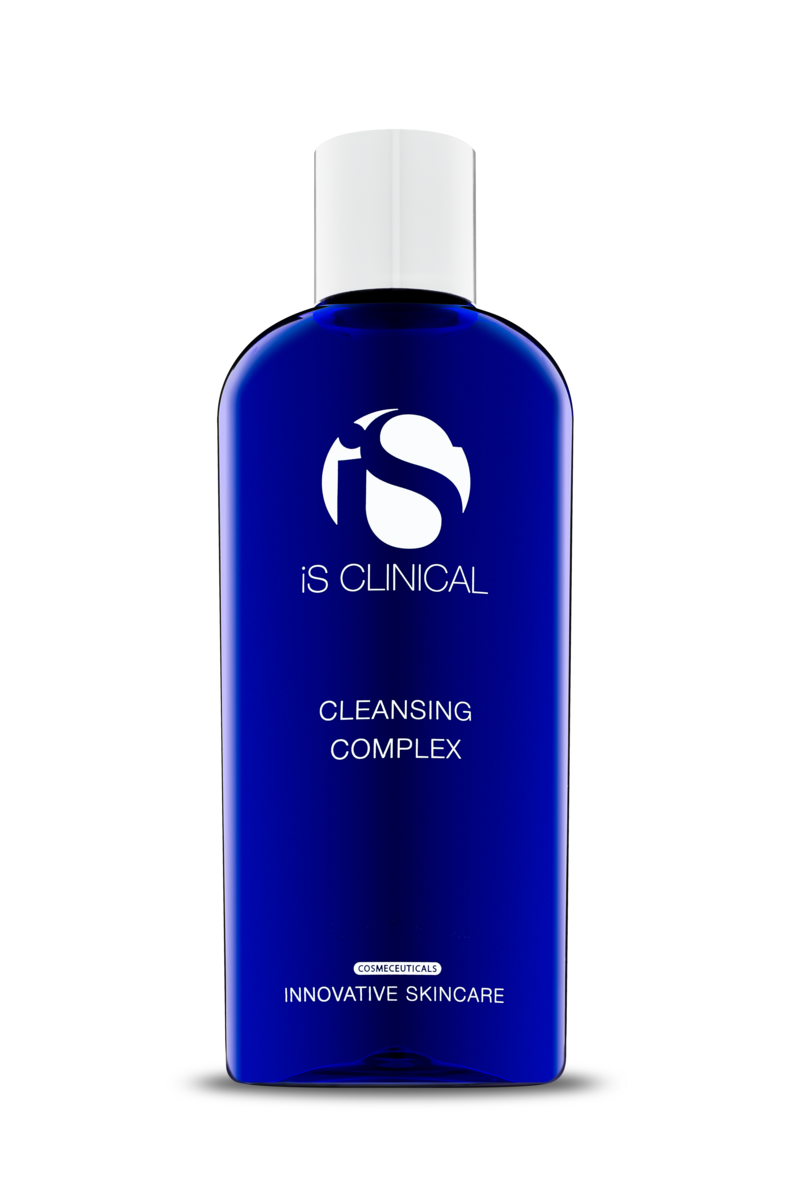
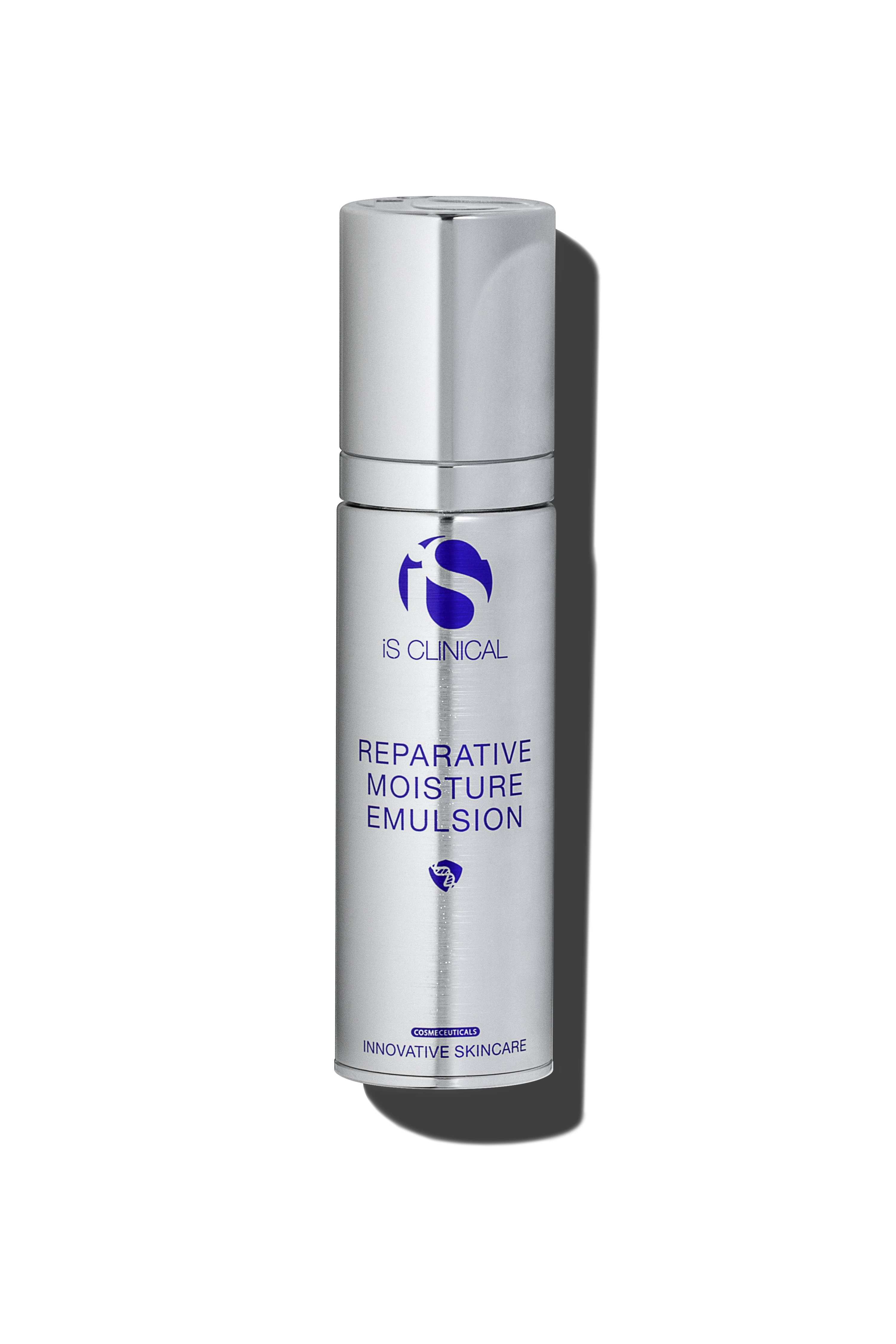
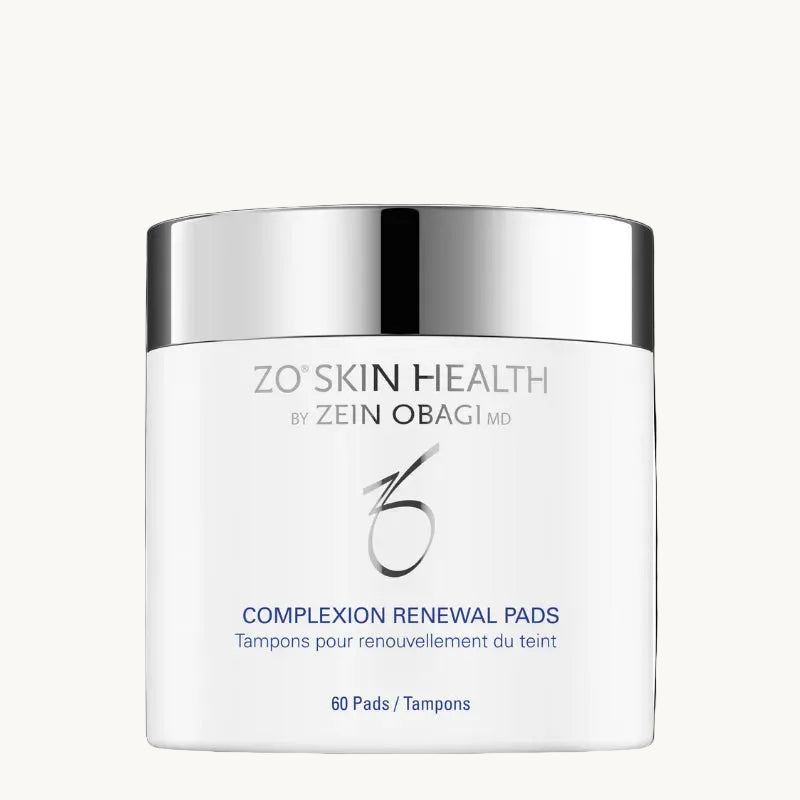
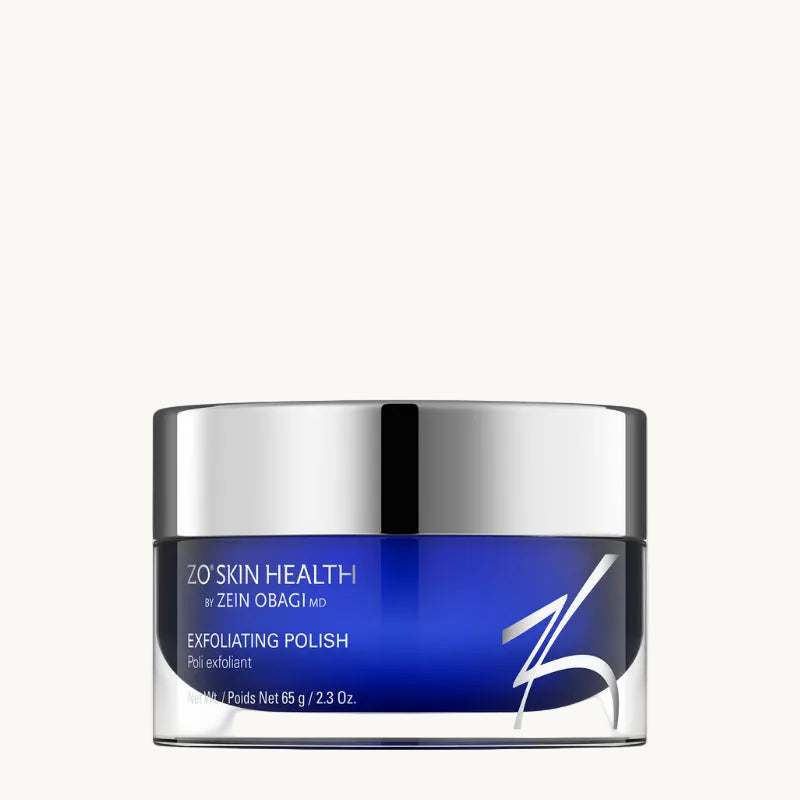
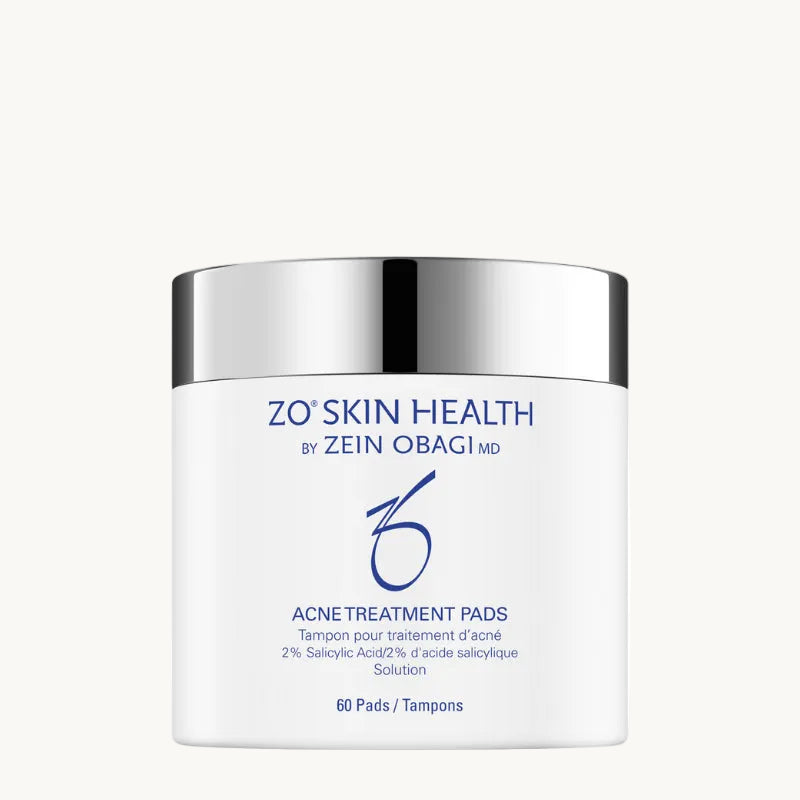
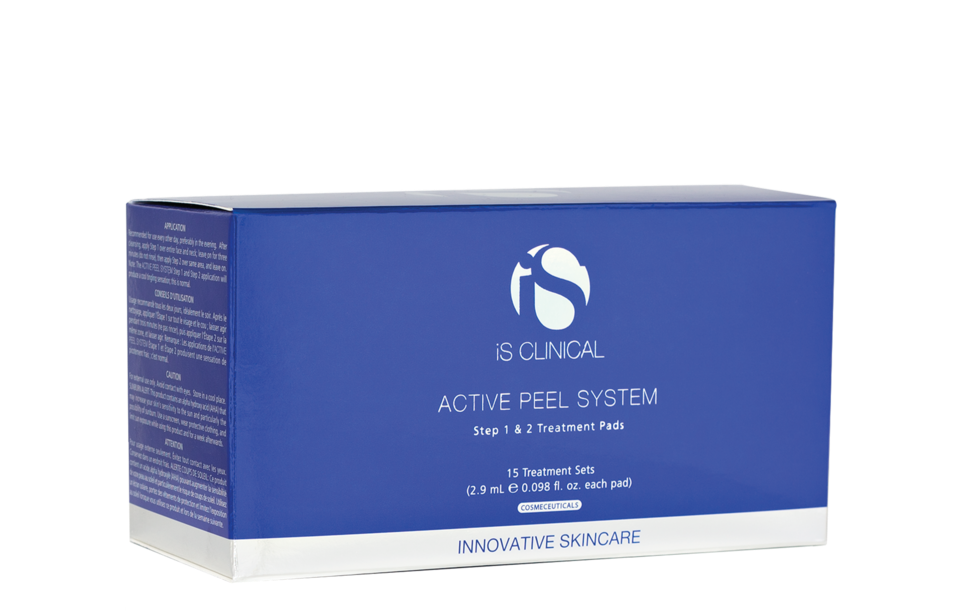
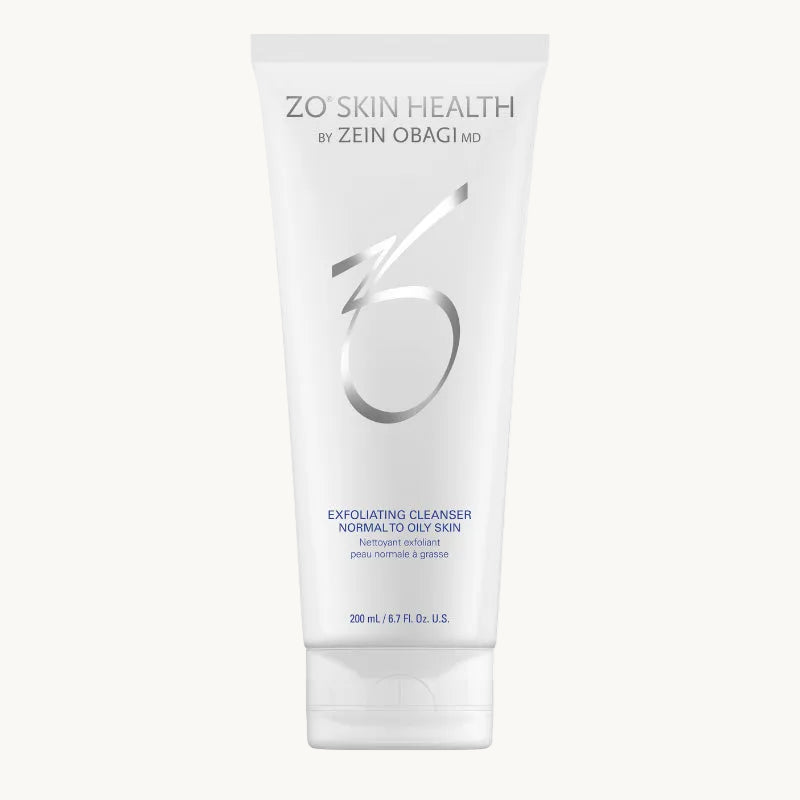
The Best Skincare for Oily Skin
Solutions pour peaux grasses : équilibre et contrôle
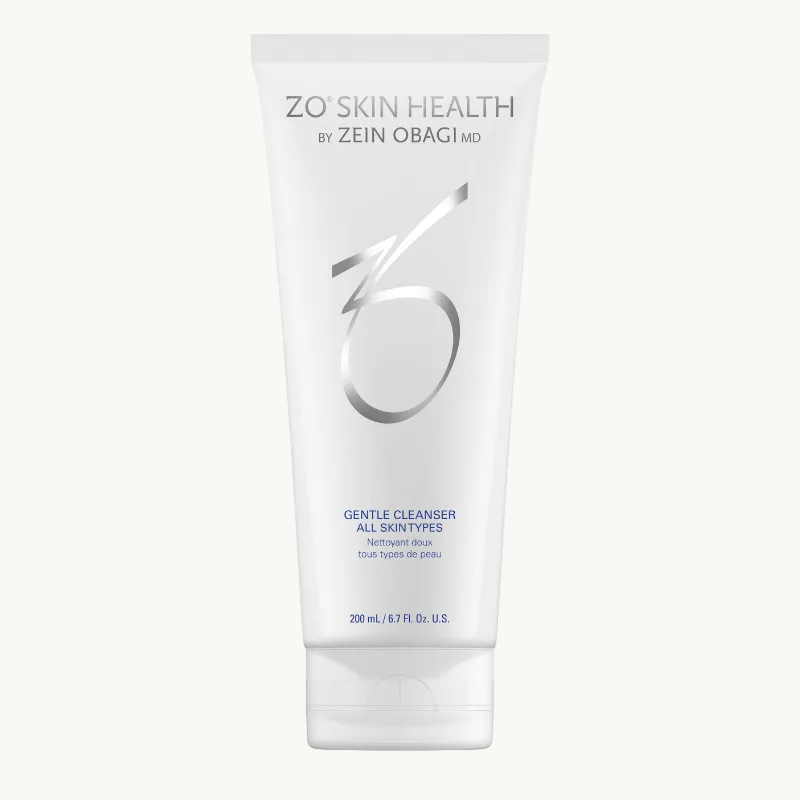
Blog posts

Microneedling in Toronto Yorkville at Allana Davis Studio uses the Health Canada and FDA-approved SkinPen to stimulate collagen, reduce acne scars, fine lines, and hyperpigmentation - with minimal ...
En savoir plus
Toronto Heat Wave Skin Care: An Esthetician's Triage Plan
With Toronto under a heat warning and humidex values in the 40s, here's the exact triage protocol I'm giving every client this week. What to strip from your routine, what to add, and when a profess...
En savoir plus
Hyaluronic Acid Skin Benefits: The Complete Guide to Deep Hydration
Unlock the immediate and transformative hyaluronic acid skin benefits with this comprehensive guide! Discover how this powerful ingredient hydrates, reduces wrinkles, and enhances skin's elasticity...
En savoir plus