
What Causes Acne?
Acne isn’t just about clogged pores—hormones, lifestyle, and skincare play a role too. Here’s what’s happening beneath your skin.

Sebaceous Glands & Oily Skin
Too Much Sebum Leads to Acne
Sebaceous glands produce oil to keep skin hydrated, but excess sebum clogs pores, leading to acne.

Dead Skin & Oil Buildup
Blocked Pores Trigger Breakouts
Dead skin cells, oil, and bacteria get trapped inside pores, creating blackheads, whiteheads, and pimples.

P. Acnes Bacteria & Inflammation
Bacteria Triggers Inflammation
Acne-causing bacteria thrive in clogged pores, leading to inflammation, redness, and painful breakouts.

Why Acne Flares Up at Certain Times
Hormones Play a Huge Role
Testosterone, stress, and menstrual cycles can increase oil production, leading to hormonal acne.

How Your Choices Affect Acne
Food, Stress & Sleep Can Impact Skin
Sugar, dairy, processed foods, and lack of sleep can worsen acne. Managing diet and stress can help control breakouts.

Over-Exfoliation & Harsh Products
The Wrong Skincare Can Make Acne Worse
Using too many actives or stripping cleansers can weaken your skin barrier, making it more prone to breakouts.

Acne isn’t just about what’s on your skin
it’s about what’s happening beneath the surface. Understanding the root causes of breakouts can help you make the right choices for clear, healthy skin.
Have questions about acne? Here’s what you need to know.
Common Acne Concerns
Blackheads, whiteheads, cystic, hormonal, or fungal acne.
Yes! Hydration helps balance oil production.
Certain foods like dairy & sugar can contribute to breakouts.
Treat inflammation early and use brightening treatments.
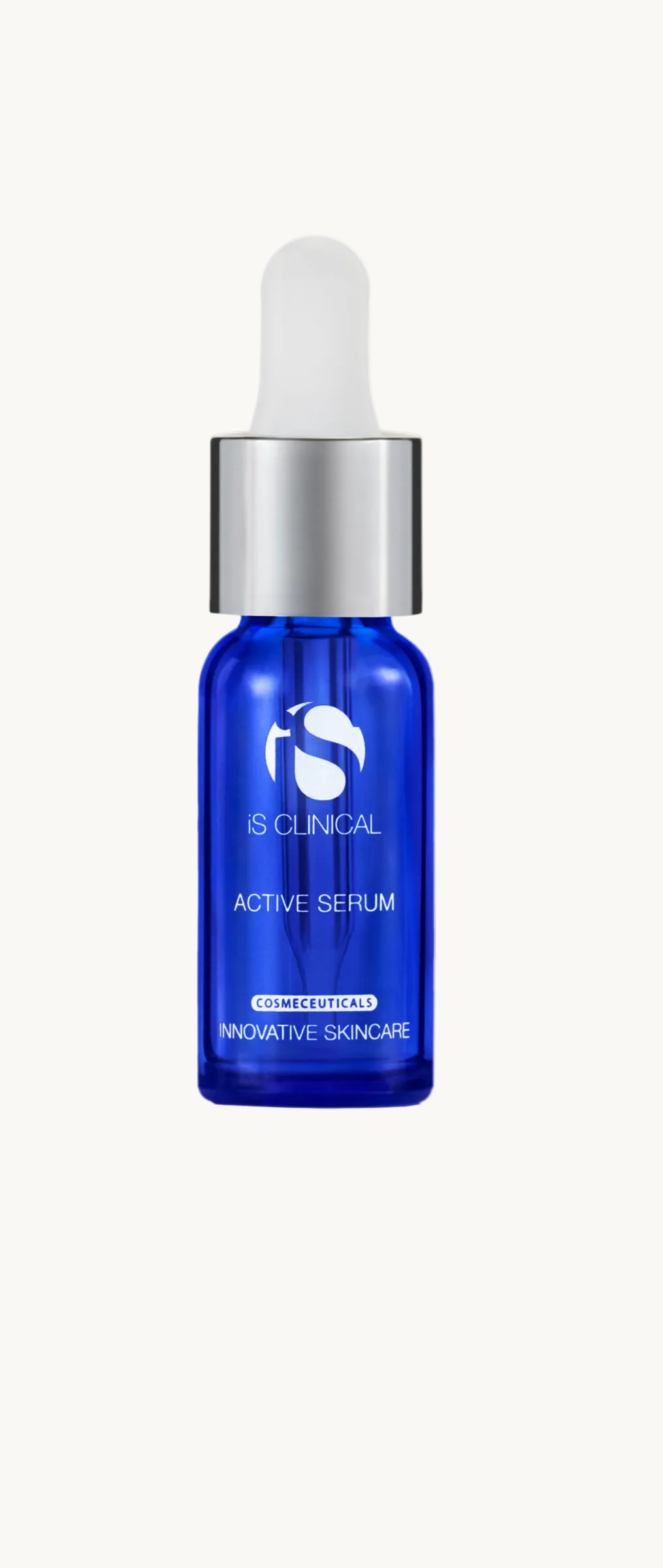
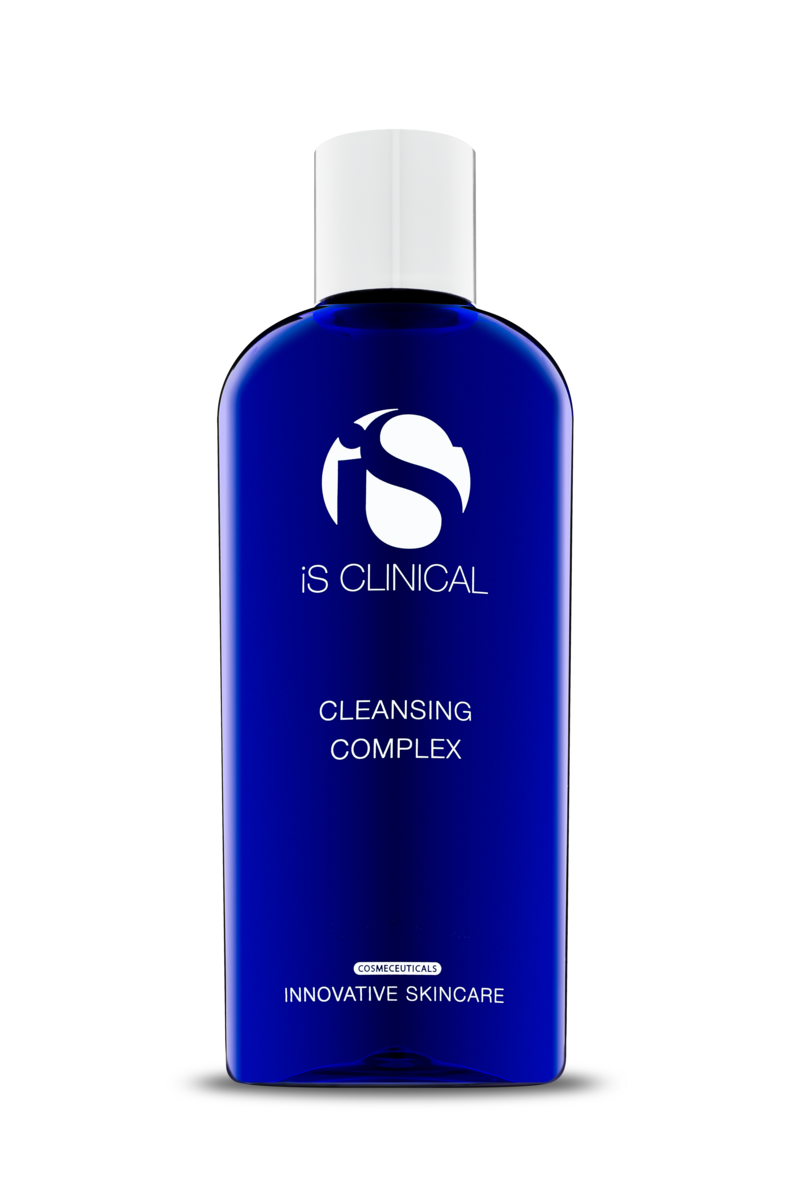
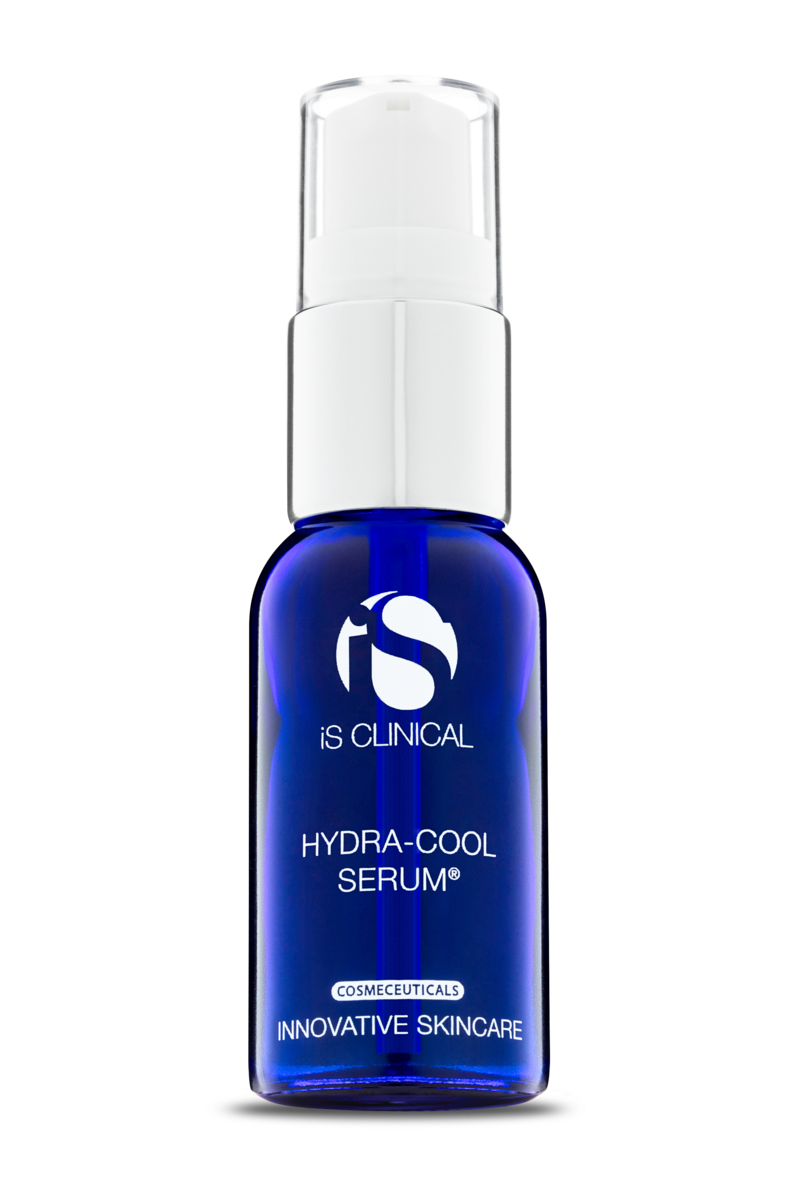
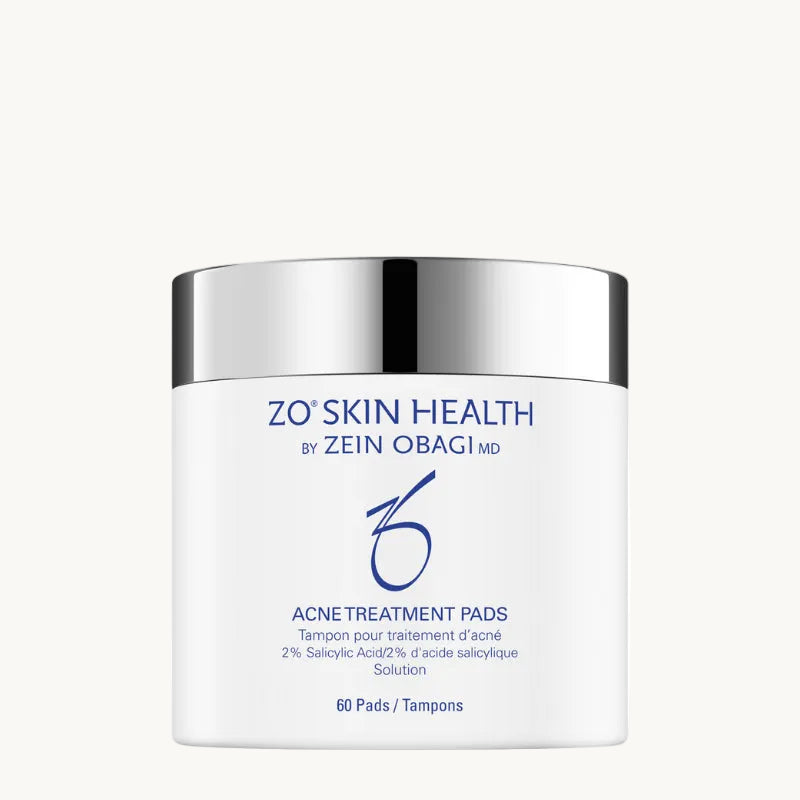
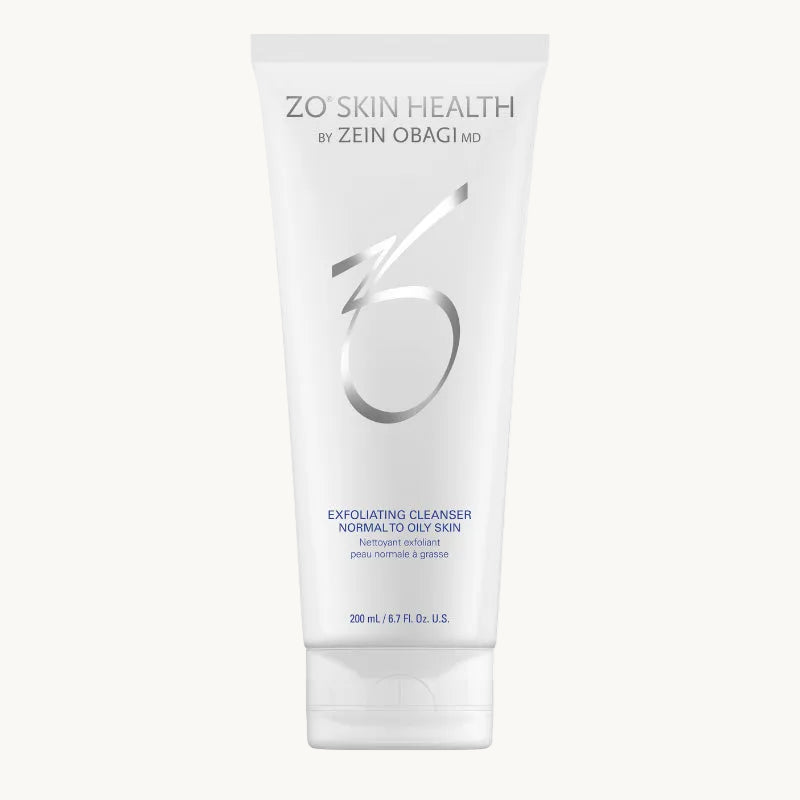
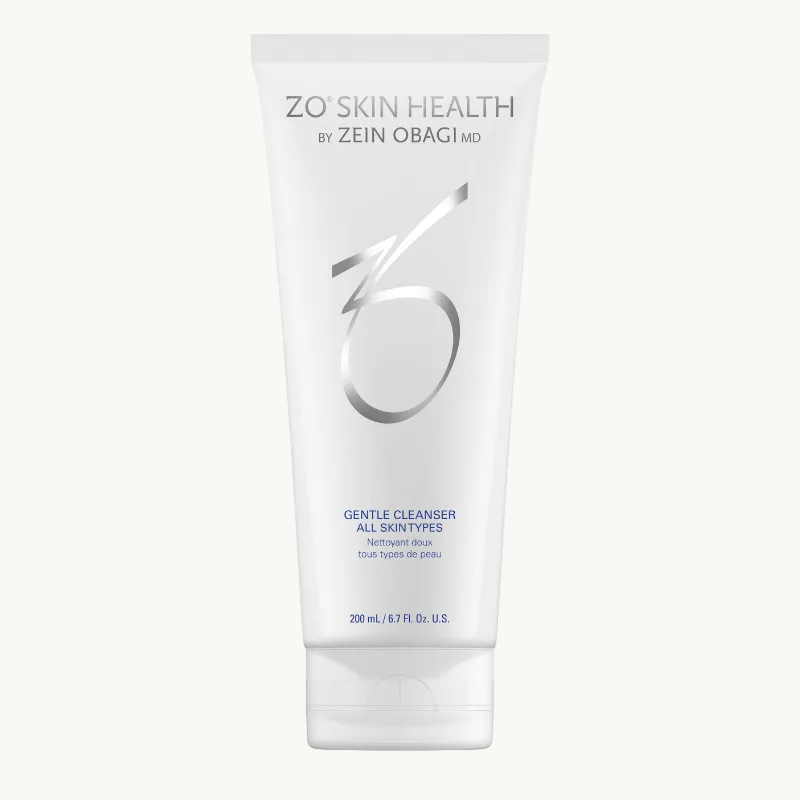
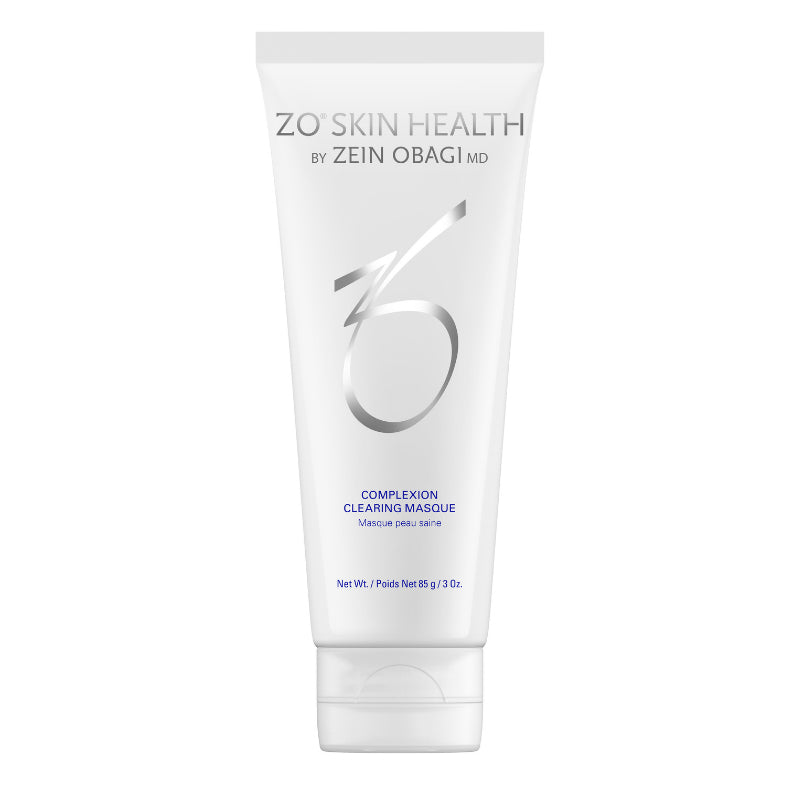
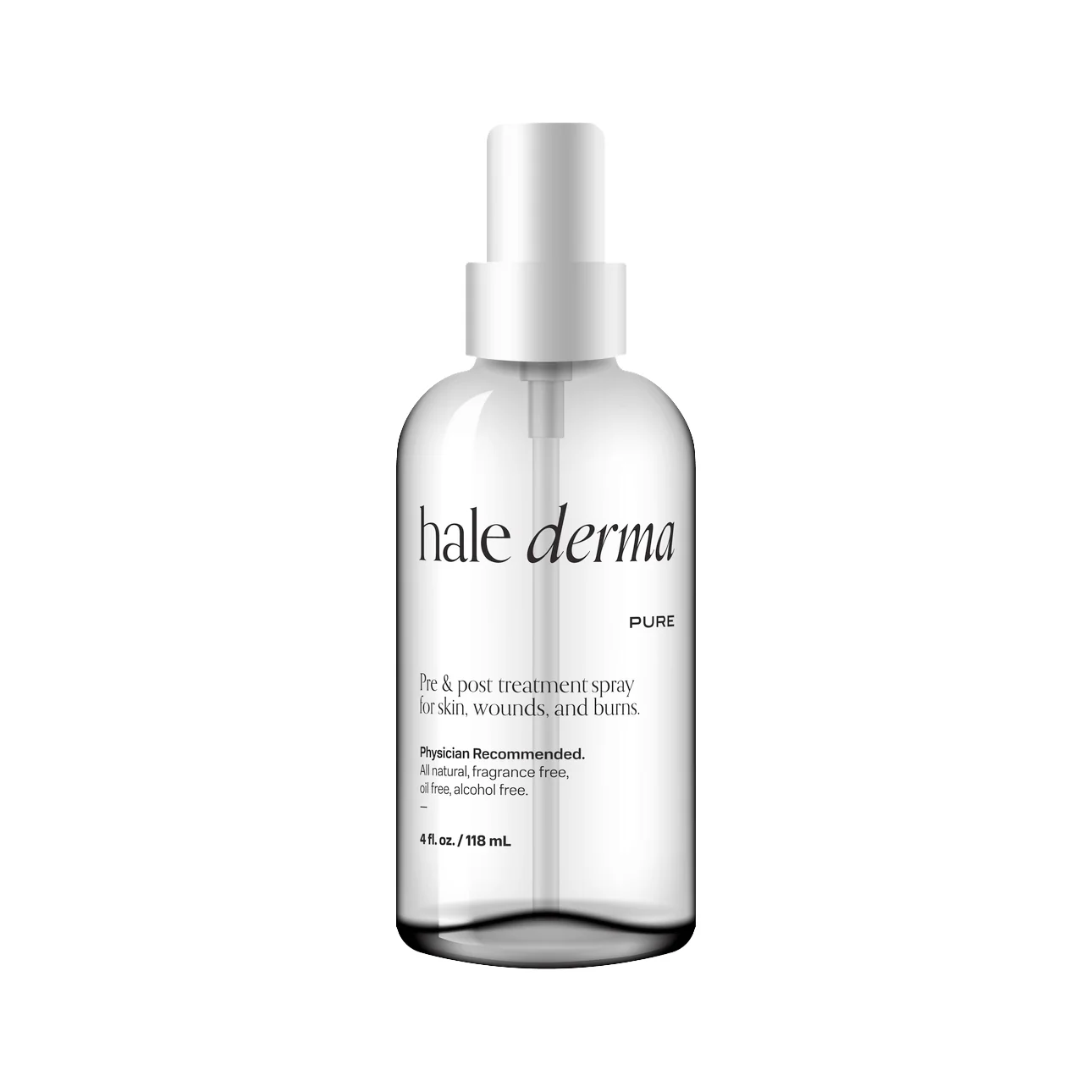
Top-rated skincare to clear breakouts & prevent future acne.
Acne Prone Skin
Blog posts

Microneedling Toronto: Everything You Need to Know About SkinPen Treatments
Microneedling in Toronto Yorkville at Allana Davis Studio uses the Health Canada and FDA-approved SkinPen to stimulate collagen, reduce acne scars, fine lines, and hyperpigmentation - with minimal ...
Read more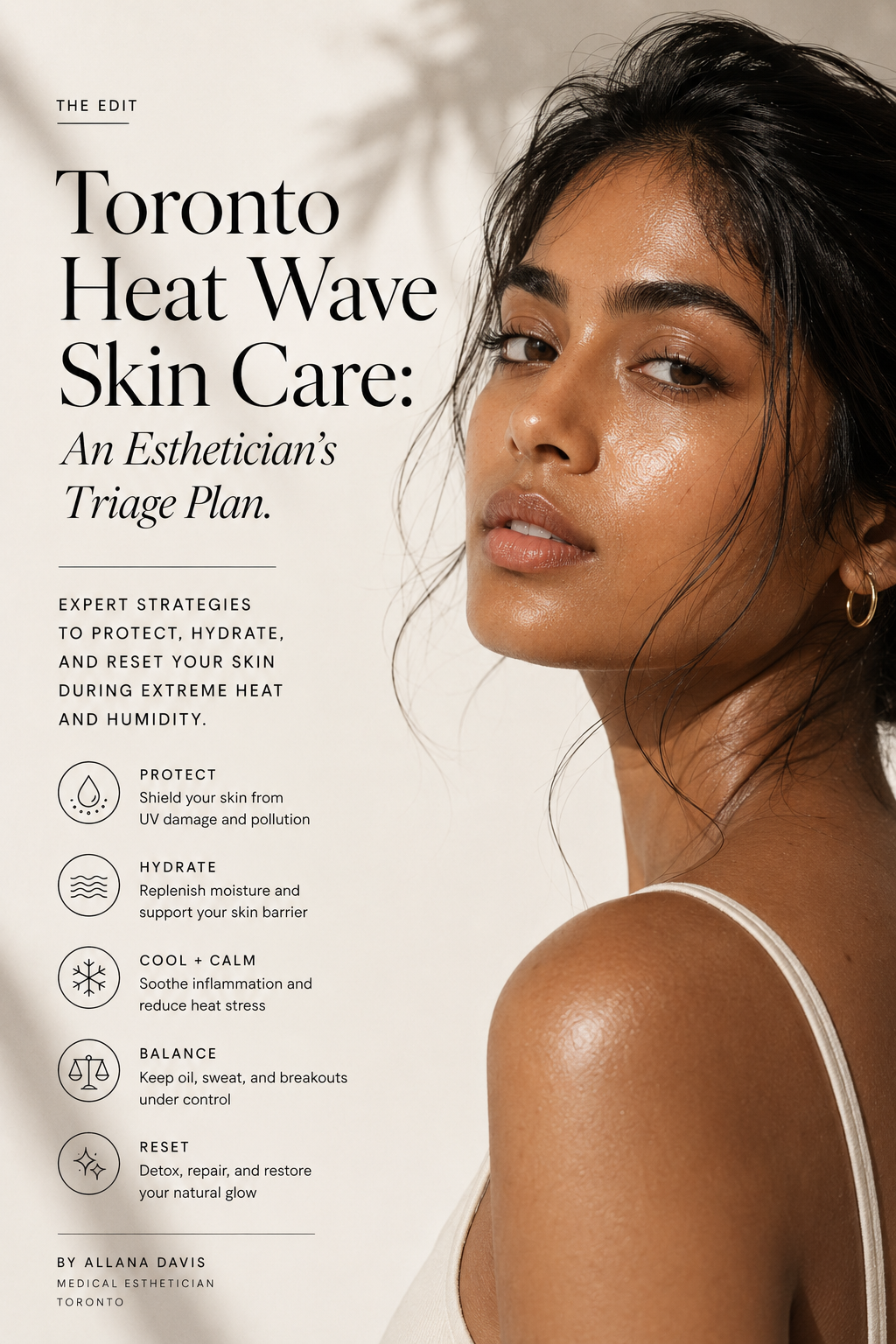
Toronto Heat Wave Skin Care: An Esthetician's Triage Plan
With Toronto under a heat warning and humidex values in the 40s, here's the exact triage protocol I'm giving every client this week. What to strip from your routine, what to add, and when a profess...
Read more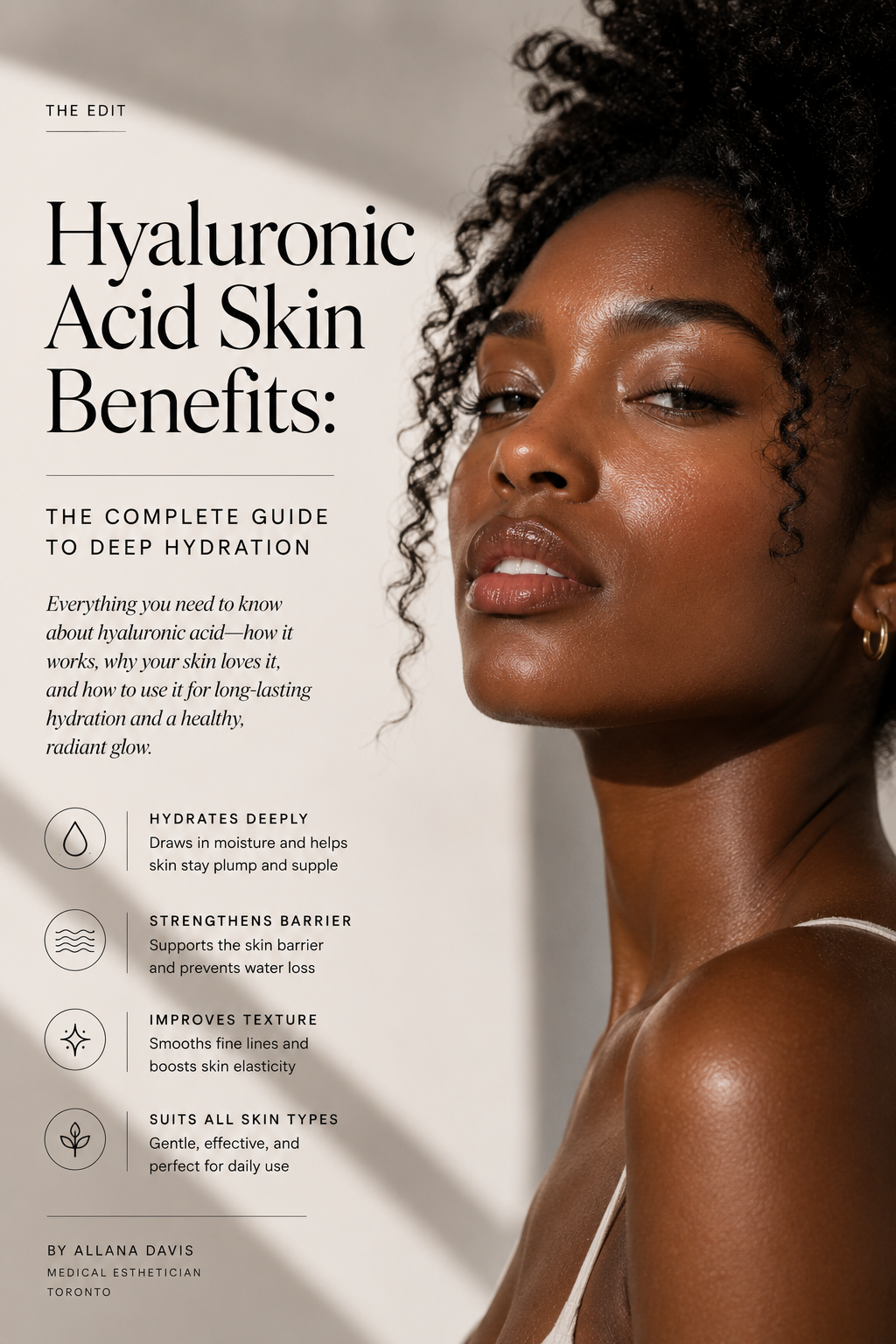
Hyaluronic Acid Skin Benefits: The Complete Guide to Deep Hydration
Unlock the immediate and transformative hyaluronic acid skin benefits with this comprehensive guide! Discover how this powerful ingredient hydrates, reduces wrinkles, and enhances skin's elasticity...
Read more