Medical Grade Skincare Worth It? vs Drugstore: The Real Difference
Last updated: March 2026
Medical grade skincare worth it? That's the question every skincare enthusiast asks before spending 3-10x more than drugstore alternatives. The short answer is yes - but only if you understand what you're paying for and which concerns genuinely require medical grade formulations. This guide breaks down exactly what separates medical grade skincare from drugstore products, which ingredients and concentrations make the real difference, and where your money delivers the most results.
What Is Medical Grade Skincare Worth It For? (And What It Isn't)
Medical grade skincare contains higher concentrations of active ingredients, uses advanced delivery systems that penetrate deeper into the skin, and is formulated to produce clinically measurable results. The term "medical grade" refers to the formulation standard - not just the price point or where it's sold. True medical grade products from brands like ZO Skin Health and iS Clinical are developed with pharmaceutical-grade manufacturing standards and backed by peer-reviewed clinical studies.
What medical grade skincare is not: a marketing term slapped on expensive packaging. The difference is in the formulation - specifically the concentration of actives, the delivery system, and the stability of ingredients.
Medical Grade vs Drugstore: The 5 Key Differences
1. Active Ingredient Concentration
This is the most significant reason medical grade skincare worth it claims hold up under scrutiny.
| Ingredient | Drugstore Concentration | Medical Grade Concentration |
|---|---|---|
| Retinol | 0.01-0.1% | 0.25-1% |
| Vitamin C | 5-10% | 10-20% |
| Niacinamide | 2-5% | 5-10% |
| Glycolic Acid | 2-5% | 8-20% |
| Hyaluronic Acid | Single molecular weight | Multiple molecular weights |
A drugstore retinol at 0.05% and a medical grade retinol at 0.5% are not the same product. The medical grade version delivers 10x the active ingredient - which translates directly to faster, more visible results.
2. Delivery Systems
Medical grade skincare uses advanced delivery systems that drugstore products simply don't have the R&D budget to develop:
- Encapsulated retinol - time-release technology that reduces irritation while maintaining efficacy. The ZO Skin Health Retinol Skin Brightener 0.25% uses this technology to deliver retinol deeper into the dermis with significantly less irritation than drugstore equivalents.
- Liposomal delivery - encapsulates actives in lipid spheres that fuse with skin cell membranes for direct intracellular delivery
- Multi-molecular weight hyaluronic acid - different sized molecules penetrate different skin layers simultaneously
- Stabilized vitamin C - medical grade formulations maintain potency for 12-18 months vs 3-6 months for drugstore versions
3. Ingredient Stability
Vitamin C oxidizes. Retinol degrades. Peptides denature. Medical grade skincare uses pharmaceutical-grade stabilization technology to keep actives potent from manufacturing to application. Drugstore products often contain actives that have already degraded by the time you use them - you're paying for an ingredient that's no longer active.
The iS Clinical Super Serum Advance+ uses a patented stabilization system that maintains 15% L-ascorbic acid potency for 18+ months - something no drugstore vitamin C serum achieves.
4. Clinical Evidence
Medical grade brands invest in peer-reviewed clinical studies. ZO Skin Health and iS Clinical products are tested in controlled clinical trials with measurable outcomes - wrinkle depth reduction percentages, melanin inhibition rates, collagen synthesis increases. Drugstore brands rely primarily on consumer perception studies rather than clinical measurements.
5. Formulation Synergy
Medical grade products are formulated as complete systems where each ingredient enhances the others. Drugstore products are often formulated to a price point, with actives added at minimum effective (or sub-effective) concentrations alongside fillers and fragrance that can actually counteract results.
Is Medical Grade Skincare Worth It for These Concerns?
Anti-Aging and Wrinkle Reduction
This is where medical grade skincare worth it arguments are strongest. Collagen stimulation, deep wrinkle reduction, and skin firmness require retinol concentrations and delivery systems that drugstore products simply can't provide.
The evidence: Clinical studies on medical grade retinol show 30-40% reduction in fine line depth after 12 weeks. Drugstore retinol studies show 5-15% improvement at best.
Worth it for: Anyone over 30 with anti-aging goals, visible fine lines, loss of firmness, or sun damage.
Recommended: The ZO Skin Health Radical Night Repair combines medical grade retinol with DNA repair enzymes and peptides for comprehensive overnight anti-aging that no drugstore product can replicate. ($240 CAD)
Hyperpigmentation and Melasma
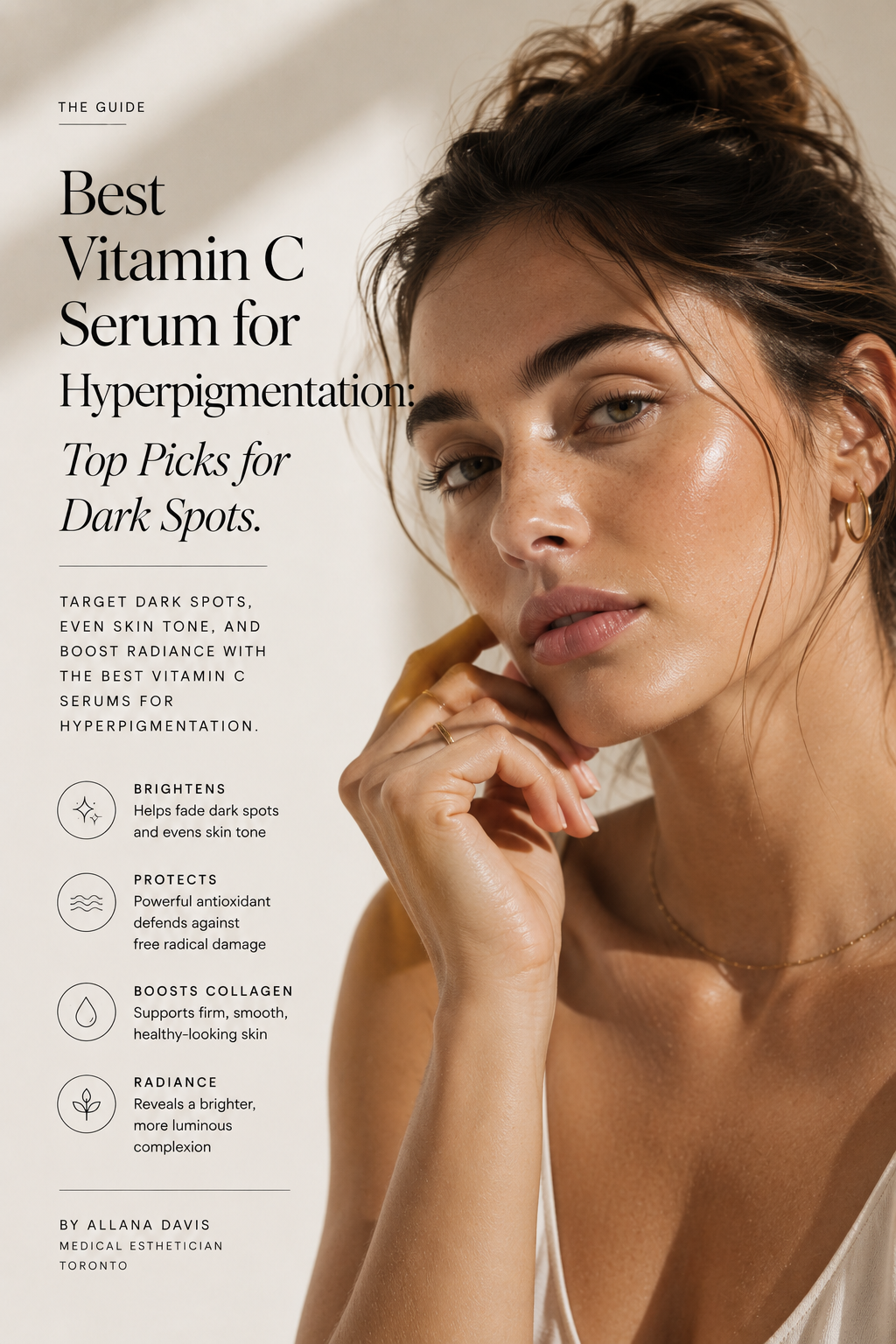
Dark spots, melasma, and post-acne marks require high-concentration brightening actives. Is medical grade skincare worth it for pigmentation? Absolutely - drugstore brightening products contain vitamin C at concentrations too low to inhibit tyrosinase effectively.
The evidence: Medical grade vitamin C at 15-20% shows 60-70% reduction in hyperpigmentation after 12 weeks. Drugstore vitamin C at 5-8% shows 15-25% improvement.
Worth it for: Melasma, stubborn dark spots, post-acne marks, uneven skin tone.
Recommended: The iS Clinical Super Serum Advance+ delivers 15% stabilized vitamin C + copper peptides for comprehensive brightening and antioxidant protection. ($165 CAD)
Acne Treatment
Medical grade acne treatments contain salicylic acid, retinol, and niacinamide at concentrations that actually clear pores and regulate oil production. Drugstore acne products are often formulated at the minimum concentration required for FDA approval.
Worth it for: Moderate to severe acne, hormonal breakouts, acne with scarring or hyperpigmentation.
Recommended: The ZO Skin Health Complexion Renewal Pads combine AHA + BHA at medical grade concentrations for daily pore clearing and oil control. ($75 CAD)
Sun Protection
Medical grade SPF formulations use photostable UV filters that maintain protection throughout the day. Is medical grade skincare worth it for SPF? Yes - drugstore SPFs often use less stable chemical filters that degrade within 2 hours of sun exposure.
Worth it for: Daily wear, outdoor activities, anyone using actives that increase photosensitivity.
Recommended: The iS Clinical Eclipse SPF 50+ uses photostable mineral + chemical hybrid filters with antioxidants for all-day protection without white cast. ($72 CAD)
Where Drugstore Products Are Acceptable
- Basic cleansers - The active work happens in serums and treatments, not cleansers.
- Micellar water / makeup remover - No actives required, drugstore options work fine.
- Basic lip balm - Unless treating lip lines or hyperpigmentation, drugstore is sufficient.
- Body lotion - For general body hydration, drugstore ceramide lotions work well.
The rule: Invest in medical grade for your active treatment steps (serums, retinol, vitamin C, exfoliants, SPF). Save on cleansers and basic hydration steps where actives aren't the point.
The Real Cost Comparison: Is Medical Grade Skincare Worth It Per Result?
| Drugstore Retinol | ZO Medical Grade Retinol | |
|---|---|---|
| Price | $25-40 | $145-199 |
| Retinol concentration | 0.05-0.1% | 0.25-1% |
| Results at 12 weeks | Mild texture improvement | Measurable wrinkle reduction, pigmentation fading |
| Time to visible results | 6-12 months (if ever) | 8-12 weeks |
| Cost to achieve results | $150-240+ (multiple bottles, months of use) | $145-199 (one bottle, 12 weeks) |
When you factor in the time and product required to achieve comparable results, medical grade skincare worth it calculations often favour the premium option - not the drugstore alternative.
How to Build a Medical Grade Routine on a Budget
Priority 1 - Retinol (biggest ROI): Start with the ZO Skin Health Retinol Skin Brightener 0.25% ($145 CAD). Nothing in drugstore delivers comparable anti-aging results. See our Retinol Strength Guide.
Priority 2 - Vitamin C (antioxidant protection): The iS Clinical Super Serum Advance+ ($165 CAD) delivers stabilized 15% vitamin C that drugstore products can't match. See our Vitamin C Layering Guide.
Priority 3 - SPF (protection for your investment): The iS Clinical Eclipse SPF 50+ ($72 CAD) protects everything your actives are building.
Priority 4 - Exfoliant: The ZO Skin Health Complexion Renewal Pads ($75 CAD) deliver AHA + BHA at concentrations that actually resurface skin. See our AHA vs BHA Guide.
Medical Grade Skincare Worth It: FAQs
Q: Do I need a prescription for medical grade skincare?
A: No. Medical grade skincare from brands like ZO Skin Health and iS Clinical is available without a prescription. "Medical grade" refers to the formulation standard, not the regulatory classification.
Q: Is medical grade skincare worth it for sensitive skin?
A: Yes, when introduced correctly. Start with lower concentrations and build tolerance gradually. See our Retinol Purging Guide for tips on introducing actives safely.
Q: How long before I see results from medical grade skincare?
A: Most people see initial improvements in 4-6 weeks. Significant results appear at 8-12 weeks due to higher active concentrations and superior delivery systems.
Q: Can I mix medical grade and drugstore products?
A: Yes. Use medical grade for active treatment steps (retinol, vitamin C, exfoliants) and drugstore for basic steps (cleanser, basic moisturizer).
Q: Are ZO Skin Health and iS Clinical worth the price?
A: Yes - both brands are backed by extensive clinical research and pharmaceutical-grade manufacturing. ZO Skin Health was developed by Dr. Zein Obagi, one of the world's leading dermatologists. iS Clinical is used in medical spas and dermatology offices globally.
Q: What's the difference between ZO Skin Health and iS Clinical?
A: ZO Skin Health focuses on aggressive skin health optimization - higher concentrations, more corrective. iS Clinical emphasizes botanical-pharmaceutical fusion - clinically effective but gentler. Many people use both brands for different routine steps.
Q: Is medical grade skincare worth it if I'm in my 20s?
A: Yes - prevention is significantly more effective than correction. Starting medical grade vitamin C and SPF in your 20s prevents the collagen breakdown and pigmentation that takes years to correct later.
Your Next Steps: Start Your Medical Grade Routine
If you're new to medical grade skincare:
Medical grade skincare worth it starts with the right entry point. The ZO Skin Health Retinol Skin Brightener 0.25% is gentle enough for beginners, effective enough to deliver real results within 8-12 weeks.
If you're ready to build a complete routine:
Browse our ZO Skin Health and iS Clinical collections for the full range of medical grade formulations.
Shop ZO Skin Health → Shop iS Clinical →
If you want personalized guidance:
Not sure where to start? Book a skincare consultation and we'll build a custom medical grade routine matched to your skin type, concerns, and budget.
Browse all medical grade products: Shop All →
Safety Note: Medical grade skincare contains higher concentrations of active ingredients than drugstore products. Always introduce new actives gradually, patch test on your inner arm for 24 hours before applying to your face, and wear SPF 30+ daily when using retinol, vitamin C, or chemical exfoliants. If you experience persistent irritation, reduce frequency or consult a dermatologist.

Written by Allana Davis


Leave a comment
This site is protected by hCaptcha and the hCaptcha Privacy Policy and Terms of Service apply.